
Why Heber lakes need professional dredging
Large lakes in the Heber Valley face unique sedimentation challenges. With the Provo River watershed, seasonal snowmelt runoff, and surrounding agricultural land, lakes accumulate sediment faster than natural processes can remove it. Without regular maintenance, lakes lose storage capacity, experience algae blooms, and develop shallow zones that limit recreation and irrigation value.
Common lake dredging needs in Heber
- Sediment delta formation at inflow points from seasonal streams
- Reduced water storage affecting irrigation capacity and property value
- Shallow littoral zones expanding and promoting excessive weed growth
- Navigation hazards from submerged sediment bars and shoals
- Poor water clarity and increased algae due to nutrient-rich sediments
- Shoreline erosion from wave action and freeze-thaw cycles
Our lake dredging approach
Large lakes require specialized equipment and careful planning:
- Comprehensive survey: Bathymetric mapping to identify sediment hot spots and plan dredging zones
- Permit coordination: Secure required federal, state, and county approvals
- Equipment selection: Deploy floating hydraulic dredges for full-water operation or mechanical excavators after drawdown
- Phased removal: Systematic dredging to minimize disruption to fish, wildlife, and water users
- Sediment management: Dewatering, beneficial reuse, or approved disposal of dredged material
- Restoration: Shoreline stabilization and revegetation as needed
We specialize in multi-acre lake dredging projects. Schedule a consultation for bathymetric survey, sediment testing, and detailed project planning. See our lake dredging cost guide.
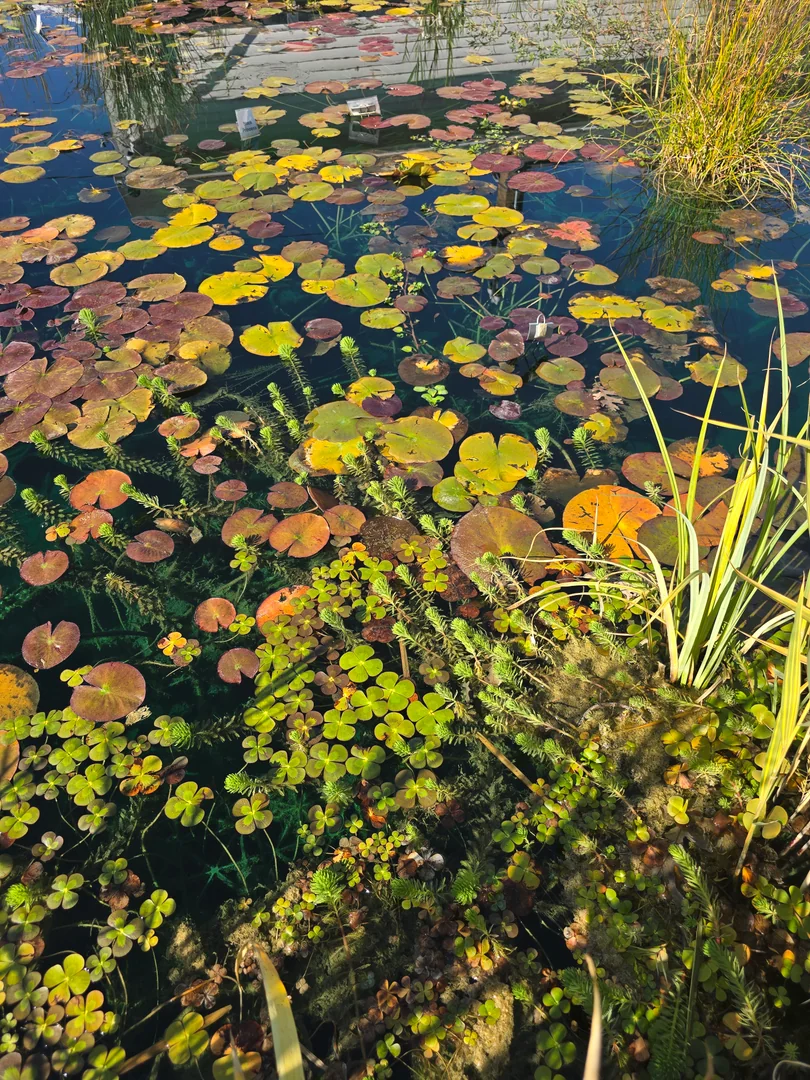
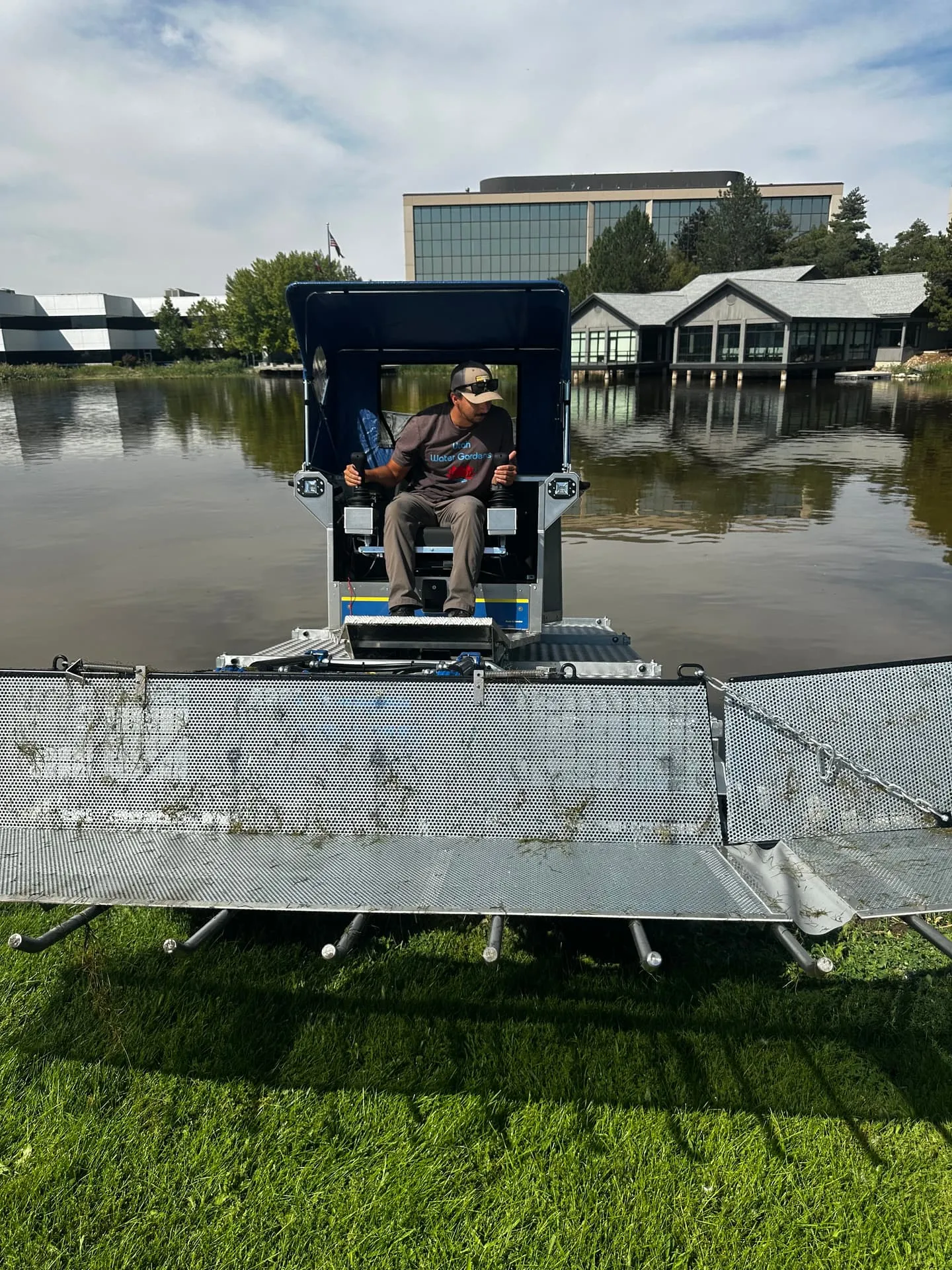
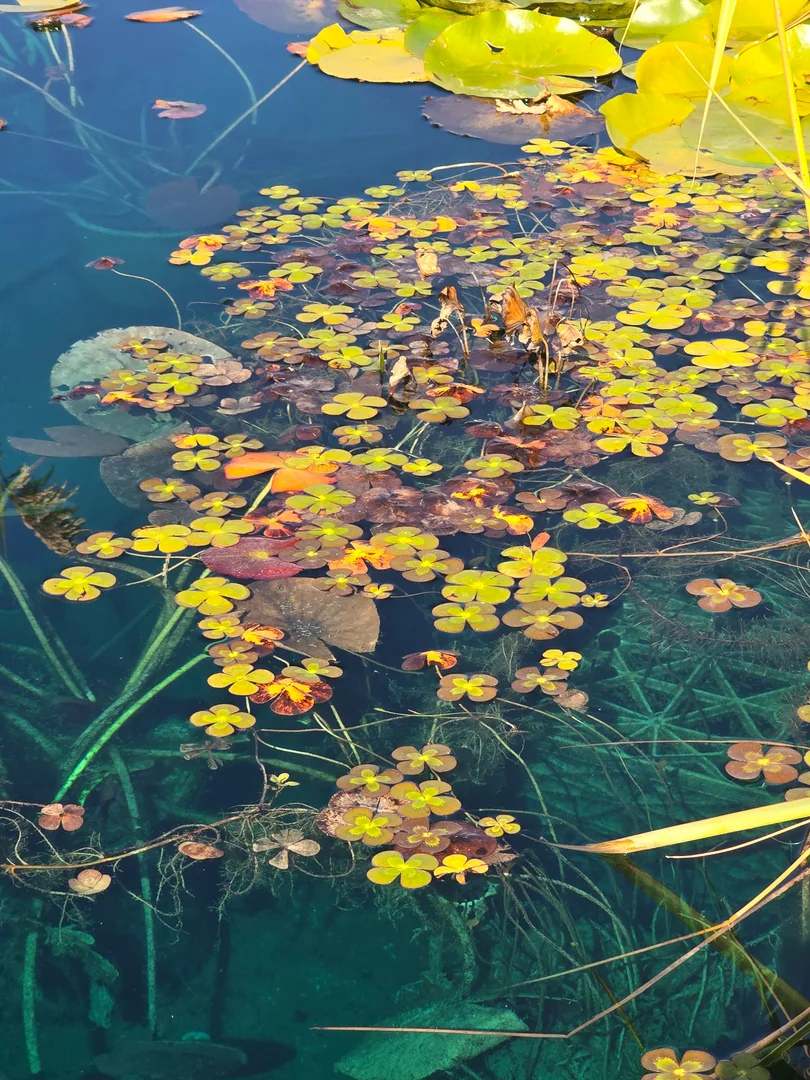
Lake dredging project gallery
Frequently asked questions about lake dredging in Heber
How much does lake dredging cost in Heber?
Lake dredging costs in Heber vary significantly based on lake size, sediment volume, access limitations, and project complexity. Typical projects range from $15,000 to $150,000+. For large private lakes (5+ acres), expect costs of $1.00-$4.00 per cubic yard. We provide detailed cost estimates after site assessment. Learn more: Utah lake dredging costs.
What is the difference between pond and lake dredging?
Lake dredging involves larger water bodies, greater sediment volumes, more complex logistics, and often requires specialized equipment like floating dredges or large excavators. Lakes may also have regulatory considerations for public waters, fish habitat protection, and environmental impact assessments that don't apply to small private ponds. Read: what is a lake vs pond.
Can you dredge while the lake is full?
Yes, hydraulic dredging can be performed while the lake is full using floating dredge equipment. This method is ideal for lakes without drainage options or when maintaining water levels is critical for fish, irrigation, or recreation. Mechanical dredging typically requires partial or full drawdown for equipment access.
How often do Heber lakes need dredging?
Most lakes in the Heber area need dredging every 15-30 years depending on watershed size, erosion rates, and vegetation management. Lakes receiving significant agricultural runoff or spring snowmelt may need more frequent maintenance. Regular sediment depth surveys help you plan ahead. See our guide: does my pond need dredging.
What permits are required for lake dredging in Heber?
Lake dredging in Heber typically requires permits from Wasatch County, Utah Division of Water Quality, and potentially the Army Corps of Engineers if the lake connects to jurisdictional wetlands or streams. We handle permit coordination and ensure compliance with all environmental regulations.
What happens to fish during lake dredging?
For hydraulic dredging while the lake is full, fish typically avoid the work area and survive with minimal impact. For mechanical dredging requiring drawdown, fish relocation to temporary holding areas or nearby waters may be necessary. We coordinate with Utah Division of Wildlife Resources for fish management.