
Why Uintas ponds need sediment removal
Uintas is a High-altitude alpine and subalpine environment with short growing season. These conditions create unique challenges for pond and lake owners. Wilderness proximity, high-altitude lakes, environmental sensitivity, limited infrastructure affect maintenance needs and dredging approaches.
Common sediment removal needs in Uintas
- Remote location limiting equipment access and mobilization
- Short working season due to high-altitude weather
- Sensitive alpine ecosystems requiring careful handling
- Natural sediment from forest runoff and erosion
- Limited disposal options for dredged material
- Complex permitting for wilderness-adjacent properties
Schedule a free on-site consultation. We'll assess conditions, recommend the best approach, and provide transparent pricing.
Typical Uintas projects
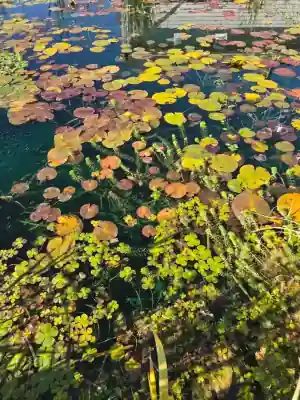
Project photos: Uintas sediment removal

Frequently asked questions about sediment removal in Uintas
How much does sediment removal cost in Uintas?
Sediment removal in Uintas typically costs $2.00-$6.00 per cubic yard depending on sediment type, depth, accessibility, and disposal method. Organic muck is often easier to handle than dense clay sediments. Dewatering and off-site disposal add to costs. We provide free estimates after measuring sediment depth.
What is the difference between sediment and muck?
Muck is soft, organic sediment composed of decomposed leaves, algae, and plant matter. It's typically black, has a strong odor, and high water content. Sediment is a broader term including silt, clay, sand, and organic material. Both reduce pond depth and water quality, but muck removal often requires dewatering before disposal.
How deep is the sediment in my Uintas pond?
Sediment depth varies widely. Older ponds (20+ years) often have 1-3 feet of sediment accumulation. Ponds in Uintas receiving Remote access, sensitive ecosystems, short working season, permitting complexity may have deeper sediment. We measure sediment depth during site assessments using probing techniques.
Can I remove sediment myself?
Small-scale sediment removal using rakes or pumps is possible for very shallow muck layers, but professional equipment is needed for significant accumulation. DIY efforts often stir up sediment, worsen water clarity, and lack proper disposal methods. Professional dredging is more efficient, thorough, and environmentally compliant.
Where does removed sediment go?
Removed sediment can be spread on your property if you have suitable space and drainage, used for landscaping berms or garden soil amendments, or dewatered and hauled to approved disposal sites. We help you select the best option based on sediment quality, your property layout, and local regulations.