
What this page is for
Your mindmap includes a “Hydraulic → Diver” branch with a note “could expand.” This page is intentionally scoped as a placeholder that we can expand later with capabilities, safety notes, and case studies.
Where diver support can help
- Targeting intake positioning and localized sediment pockets
- Clearing debris around structures where safe and appropriate
- Underwater visibility checks and limited inspections
Where it’s usually not needed
- Standard pond dredging with clear access and predictable sediment
- Projects better served by mechanical removal
Quick answers about dredging methods
What are the main dredging methods?
Most projects use either mechanical dredging (excavator) or hydraulic dredging (pump + pipeline). Pneumatic options can be used in niche cases.
How do you choose the right method?
Method selection depends on access, sediment type, water level, and disposal/dewatering planning.
Where do you serve?
We serve all of Utah. Browse by county: Utah counties we serve.
Next step
We’ll confirm whether diver support is beneficial during a site assessment (scope, visibility, hazards, permitting, and method fit).
Back to hydraulic dredging →Lake and pond knowledge for Utah properties
When comparing a lake vs pond or pond vs lake, the difference between lake and pond usually comes down to depth, size, and how sunlight reaches the bottom. For local property owners, the difference between pond and lake and what's the difference between a pond and a lake often matters because maintenance, aeration, and vegetation control are different. If you're asking what is a lake, think of a lake as a larger, deeper body of water that can stratify seasonally, while a lake or a pond each benefits from proactive sediment management.
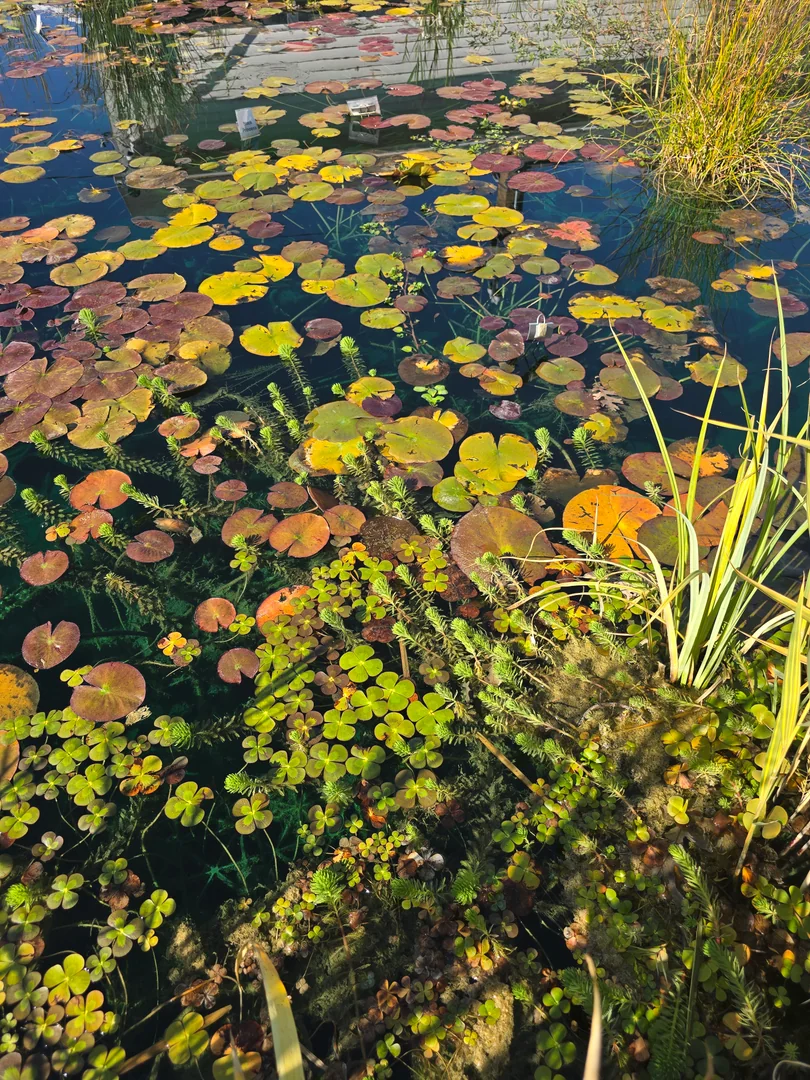
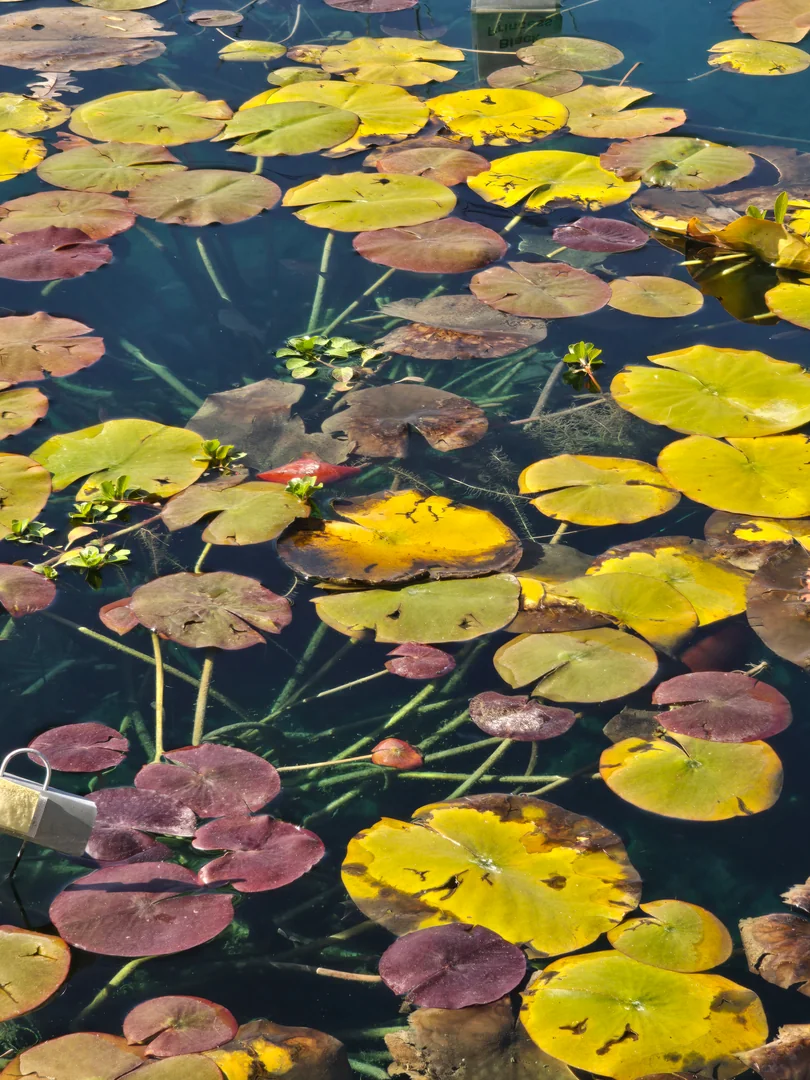
The littoral zone is the shallow edge where sunlight reaches the bottom. Littoral meaning can be simplified as the plant-friendly shoreline band, and the term littoral also connects to habitat for fish, frogs, and beneficial insects. Plants like cattails plant varieties, pondweed, and pond weeds can stabilize shorelines, but dense growth may cause murky water, green pond conditions, or oxygen swings. Regular monitoring for types of algae helps you stay ahead of water quality issues.
Sediment and shoreline damage build over time. Types of erosion include sheet erosion, which is a thin layer of soil washing into the water after storms. If you're wondering what causes erosion, it often ties back to runoff, bare banks, or fast-moving drainage. In the field we also see wildlife and aquatic species like armored catfish and redear sunfish, plus midge flies; if you're asking what is a midge, it is a small fly whose larvae live in sediment and can be managed with natural mosquito control strategies and improved oxygenation.
Equipment and preventive systems matter. A dredger removes built-up sediment, while a pond aerator keeps oxygen moving and reduces stagnation. For comparisons like river vs lake, water flow and turbidity differ, which is why site-specific plans are important. Managing vegetation and sediment consistently keeps water clearer and reduces the chance of nuisance blooms.
A practical maintenance plan starts with measuring sediment depth, mapping inflow points, and identifying problem coves where organic matter settles. Seasonal inspections help prioritize dredging zones, prevent shoreline sloughing, and keep access safe for equipment. Small improvements, like redirecting downspouts or stabilizing bare soil, often reduce long-term dredging needs.
Water quality improves when you combine mechanical removal, plant management, and habitat balance. Removing excess muck lowers nutrients that feed algae, while keeping a healthy mix of native vegetation protects the shoreline and supports beneficial insects. A balanced plan avoids over-clearing, which can destabilize banks and lead to faster siltation.
Professional evaluations typically review water depth, sediment texture, vegetation density, and access for equipment. From there, crews can propose phased work that limits disruption and keeps wildlife safe. Staged projects often deliver better outcomes than a single, rushed effort.
Stormwater control is a major factor in long-term success. Grading, buffers, and vegetated swales slow runoff so fewer fine particles enter the water. This upstream work protects dredging investments and keeps maintenance costs predictable.
If you maintain ponds or lakes for recreation, appearance and safety matter as much as ecology. Clearer water improves aesthetics, reduces odors, and creates better conditions for fish, plants, and shoreline access. Regular upkeep also protects property value and reduces emergency cleanups.
A practical maintenance plan starts with measuring sediment depth, mapping inflow points, and identifying problem coves where organic matter settles. Seasonal inspections help prioritize dredging zones, prevent shoreline sloughing, and keep access safe for equipment. Small improvements, like redirecting downspouts or stabilizing bare soil, often reduce long-term dredging needs.
Water quality improves when you combine mechanical removal, plant management, and habitat balance. Removing excess muck lowers nutrients that feed algae, while keeping a healthy mix of native vegetation protects the shoreline and supports beneficial insects. A balanced plan avoids over-clearing, which can destabilize banks and lead to faster siltation.
Professional evaluations typically review water depth, sediment texture, vegetation density, and access for equipment. From there, crews can propose phased work that limits disruption and keeps wildlife safe. Staged projects often deliver better outcomes than a single, rushed effort.
Stormwater control is a major factor in long-term success. Grading, buffers, and vegetated swales slow runoff so fewer fine particles enter the water. This upstream work protects dredging investments and keeps maintenance costs predictable.
If you maintain ponds or lakes for recreation, appearance and safety matter as much as ecology. Clearer water improves aesthetics, reduces odors, and creates better conditions for fish, plants, and shoreline access. Regular upkeep also protects property value and reduces emergency cleanups.
A practical maintenance plan starts with measuring sediment depth, mapping inflow points, and identifying problem coves where organic matter settles. Seasonal inspections help prioritize dredging zones, prevent shoreline sloughing, and keep access safe for equipment. Small improvements, like redirecting downspouts or stabilizing bare soil, often reduce long-term dredging needs.