
Why pond dredging is necessary
- Sediment buildup reduces depth (for example, a 10-foot pond can lose 4 feet of depth).
- Removing sludge improves pond health by reducing gas buildup at the bottom.
- Dredging reduces algae, weeds, and invasive plant growth.
- Deeper water improves fish habitat by staying cooler in summer and reducing trapped gases in winter under ice.
- Restoring pond volume helps prevent flooding and reduces water displacement risks to property and basements.
- Clearer water and restored shoreline contours improve overall aesthetics.
How dredging is done (methods and equipment)
Mechanical dredging
- An engine on the pond edge pumps muck through hoses to a discharge point.
- Discharge can go to storage tanks or to unused fields and staging areas.
Hydraulic dredging via excavation
- Excavators or heavy equipment remove muck, sludge, and sediment.
- Removed material can be stored in vac tanks or storage tanks, or left on-site for use as fertilizer in garden beds or around trees and vegetation.
Mechanical method variations
- Scuba diver removal for deeper ponds that need targeted sediment handling.
- Surface-level removal around pond edges for shallow ponds.
When to perform dredging (seasonality and scheduling)
- Scheduling depends on customer availability; dredging can be done year-round.
- Preferred windows are the beginning or end of the year when live streams have reduced flow and less winter runoff to manage.
- Many customers choose spring or summer when pond conditions are most visible, and that is fine.
- Our team can perform dredging regardless of temperature, weather, or date.
Disposal options and fees
- Disposal is discussed with the customer before the job and managed actively during dredging.
- If there is enough land, sediment can be discharged to tree lines, garden beds, or similar areas to simplify operations.
- If on-site discharge is not desired or possible, containment solutions (such as muscle walls) can hold debris until vac units remove it for later disposal.
- Offsite disposal increases logistics and usually adds separate fees due to longer job time and vac truck movement.
- We can remove sediment and dispose of or destroy it offsite if needed.
Mobilization requirements
- Mobilization includes preparing and transporting heavy equipment, plus staging on the customer property.
- Estimating needed hoses and equipment is part of mobilization planning.
- Setup typically takes half a day to a full day to coordinate and stage equipment for the next days operations.
- Mobilization charges appear on the bill to cover setup and breakdown or removal after the job.
Typical scale suitable for dredging
- Dredging is typically used for larger ponds or water features with substantial sediment accumulations not easily removed by hand.
- There is a threshold where manual removal (hands, pumps, shovels) becomes less efficient and dredging becomes more cost-effective.
- We assess that threshold before accepting a job and advising the customer.
Student questions
When would we do a dredging?
It depends on customer availability. We prefer the beginning or end of the year due to reduced flow in live streams, but dredging can be done year-round.
What about disposal?
Disposal is planned with the customer. Options include on-site beneficial use or containment with later vac removal. Offsite disposal usually adds separate fees due to added logistics.
Are there separate fees if debris is not disposed on-site?
Most likely yes. The job takes longer because vac trucks must move in and out and storage has to be kept empty.
Can you remove sediment and dispose of or destroy it?
Yes. We can remove sediment and dispose of or destroy it offsite if needed.
What is mobilization?
Mobilization includes preparing, transporting, and setting up heavy equipment. It takes about half a day to a full day, and mobilization charges cover setup, breakdown, and removal.
Lake and pond knowledge for Utah properties
When comparing a lake vs pond or pond vs lake, the difference between lake and pond usually comes down to depth, size, and how sunlight reaches the bottom. For local property owners, the difference between pond and lake and what's the difference between a pond and a lake often matters because maintenance, aeration, and vegetation control are different. If you're asking what is a lake, think of a lake as a larger, deeper body of water that can stratify seasonally, while a lake or a pond each benefits from proactive sediment management.
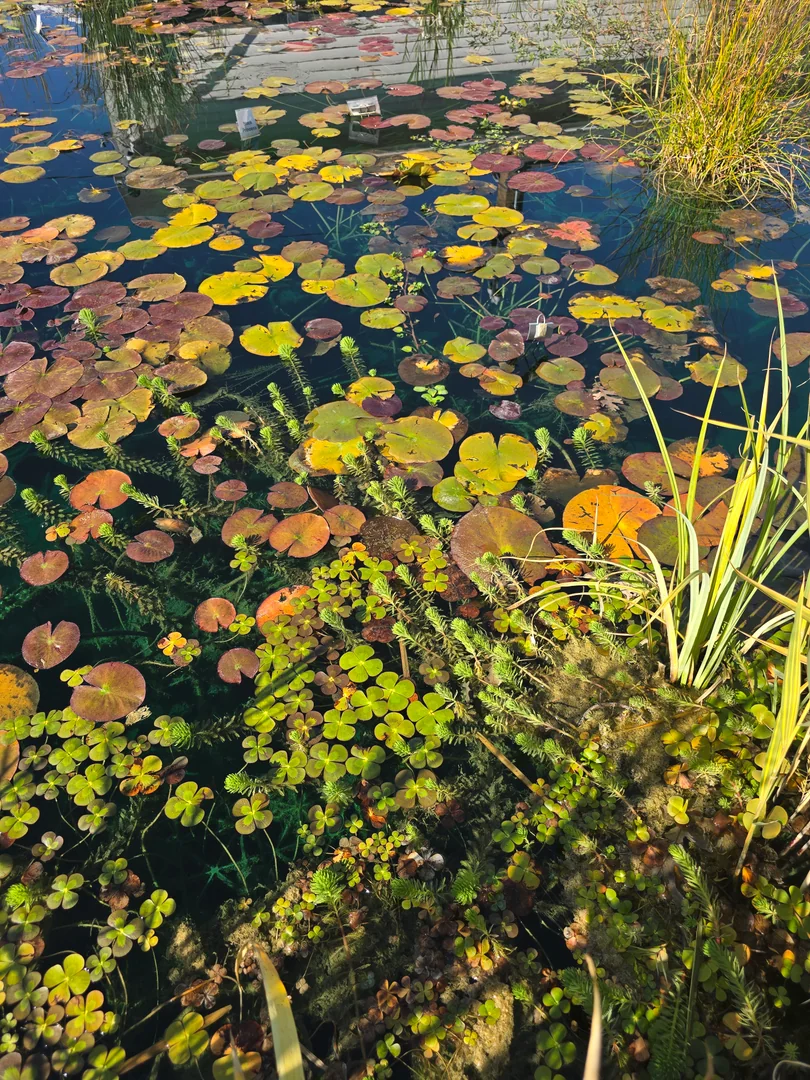
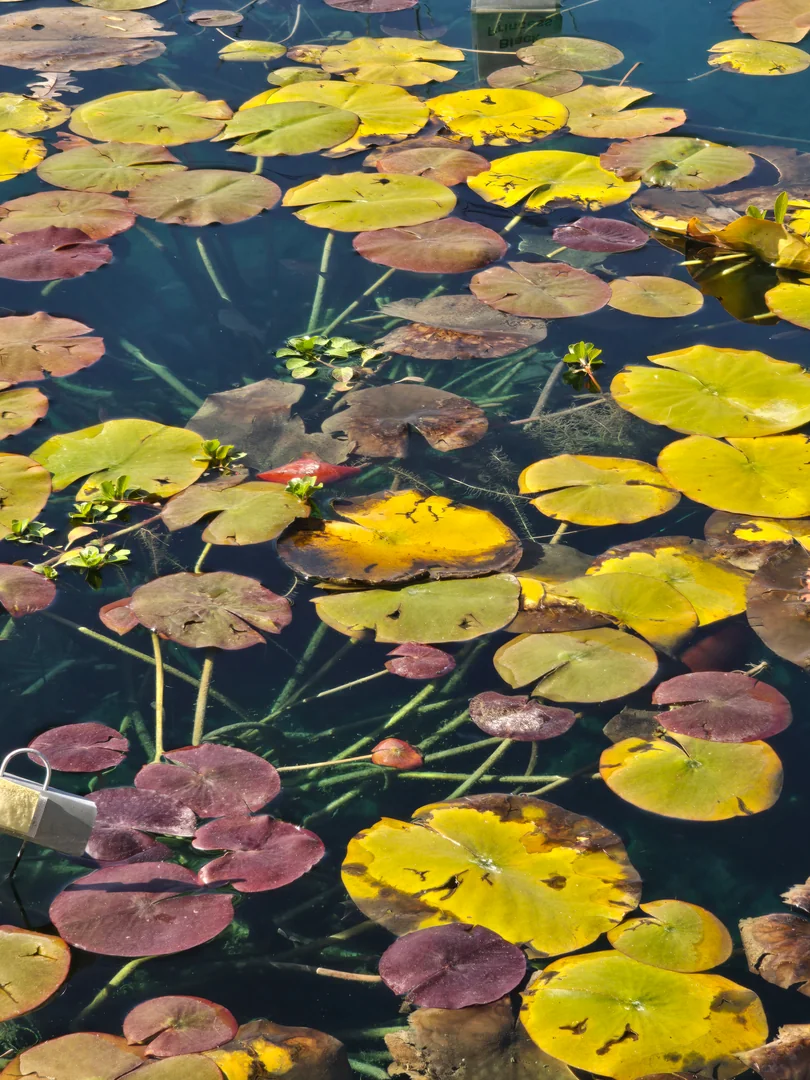
The littoral zone is the shallow edge where sunlight reaches the bottom. Littoral meaning can be simplified as the plant-friendly shoreline band, and the term littoral also connects to habitat for fish, frogs, and beneficial insects. Plants like cattails plant varieties, pondweed, and pond weeds can stabilize shorelines, but dense growth may cause murky water, green pond conditions, or oxygen swings. Regular monitoring for types of algae helps you stay ahead of water quality issues.
Sediment and shoreline damage build over time. Types of erosion include sheet erosion, which is a thin layer of soil washing into the water after storms. If you're wondering what causes erosion, it often ties back to runoff, bare banks, or fast-moving drainage. In the field we also see wildlife and aquatic species like armored catfish and redear sunfish, plus midge flies; if you're asking what is a midge, it is a small fly whose larvae live in sediment and can be managed with natural mosquito control strategies and improved oxygenation.
Equipment and preventive systems matter. A dredger removes built-up sediment, while a pond aerator keeps oxygen moving and reduces stagnation. For comparisons like river vs lake, water flow and turbidity differ, which is why site-specific plans are important. Managing vegetation and sediment consistently keeps water clearer and reduces the chance of nuisance blooms.
A practical maintenance plan starts with measuring sediment depth, mapping inflow points, and identifying problem coves where organic matter settles. Seasonal inspections help prioritize dredging zones, prevent shoreline sloughing, and keep access safe for equipment. Small improvements, like redirecting downspouts or stabilizing bare soil, often reduce long-term dredging needs.